
Signs Your Septic System May Need an Inspection
A professional condition assessment can help document your system’s current condition and support informed decisions.
Serving Edmonton, Parkland County, Strathcona County and surrounding Alberta communities.
Non-invasive. Documented condition summary. Not a code compliance certification.

Septic Systems Show Warning Signs
Septic systems rarely stop functioning without visible warning signs. In Alberta, early indicators of septic drain field impairment often appear at the surface or within system components before interior plumbing symptoms develop.
If you rely on an onsite wastewater system, a professional septic system inspection or condition assessment may be appropriate.
These indicators do not automatically mean system failure. However, they may suggest that further evaluation would be beneficial so that you can make informed decisions on how to prevent costly failures down the road.
Common Signs Your Septic System May Need an Inspection
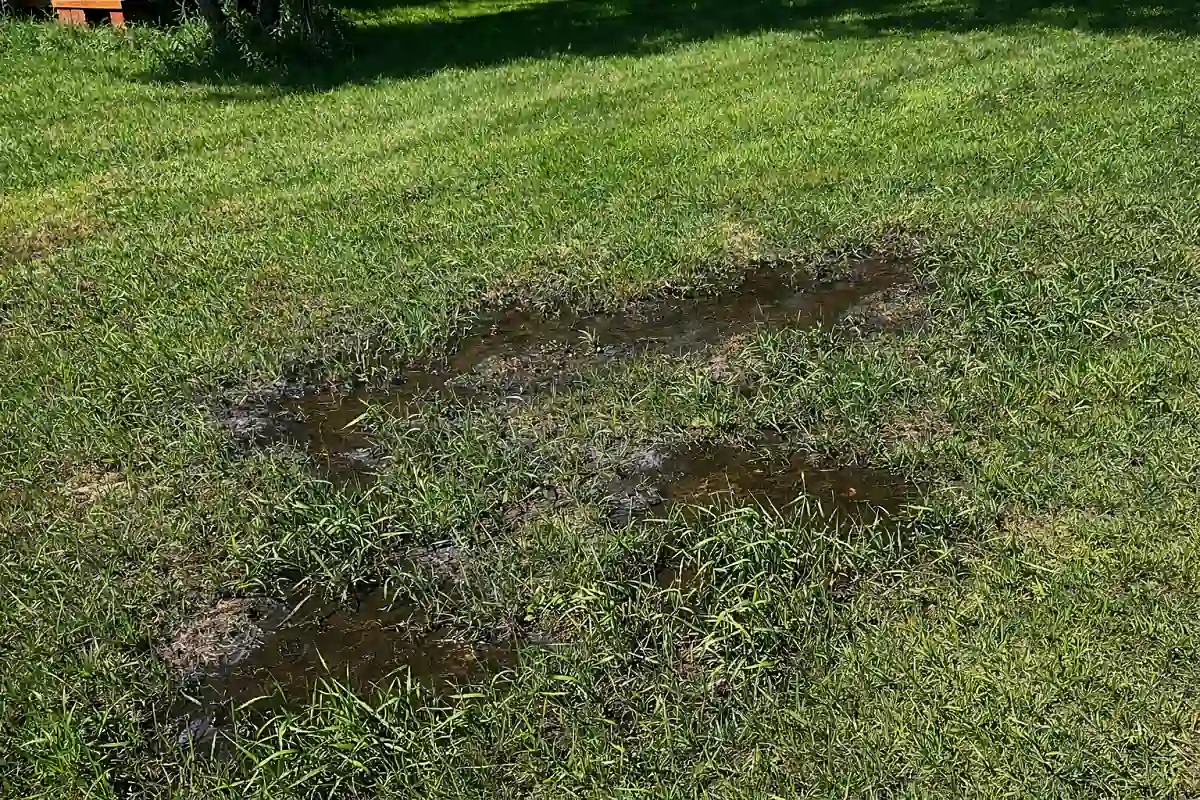
- Surface ponding or soggy soil above the drain field
- Persistent foul odors outdoors
- Slow drains or abnormal pump cycling
- Unusually green or fast-growing grass
- Signs of concrete tank deterioration
If you’re noticing one or more of these signs, a professional inspection can help determine the right next step.
Surface Ponding or Soggy Soil Above the Drain Field
One of the most common early signs of septic field hydraulic restriction is moisture appearing at the surface.
You may notice:
- Soft or spongy ground
- Damp soil during dry weather
- Surface ponding near dispersal field
These conditions can indicate that effluent dispersal into the soil is occurring more slowly than intended.
A septic field inspection can document surface conditions and evaluate whether performance appears consistent with expected hydraulic loading.
Persistent Foul Odors Outdoors
Septic systems operate through a balance of aerobic and anaerobic biological activity beneath the surface. When that balance shifts toward excessive anaerobic conditions, gases such as hydrogen sulfide may become more noticeable near the tank or drain field.
Persistent sewage or sulfur-type odors outdoors may be consistent with:
- Increased anaerobic activity within the tank or field
- Organic loading exceeding digestion capacity
- Reduced oxygen transfer in the soil
- Soil saturation or surface breakthrough
- Venting or atmospheric conditions
Odors alone do not confirm system failure. However, consistent or worsening smells can justify a professional septic system inspection to evaluate observable system conditions and determine whether further assessment or remediation may be appropriate.
Longer Than Normal Pump Cycle Times or Slow Draining Gravity Systems
Changes in system behavior can present differently depending on the type of septic system installed.
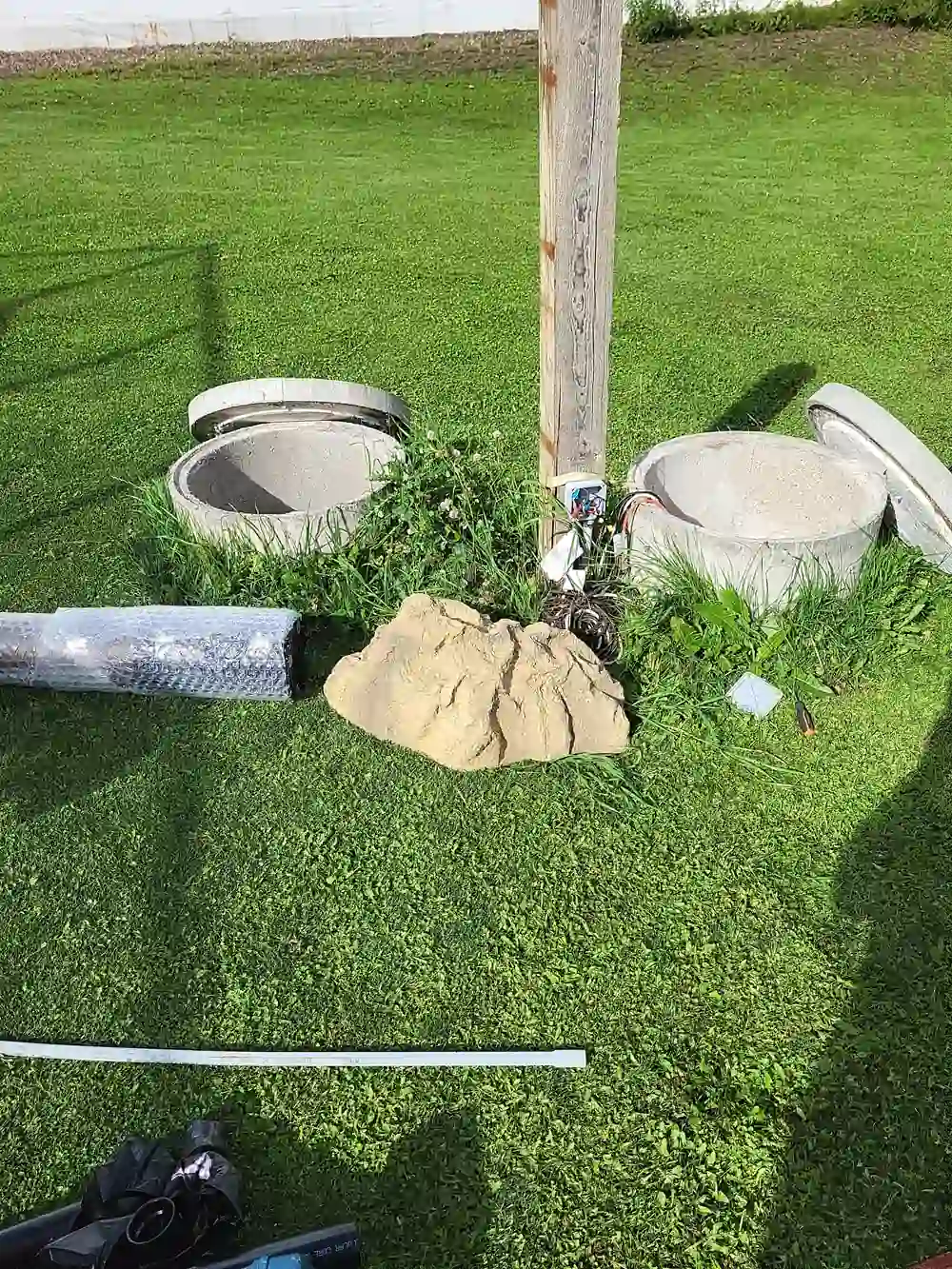
For properties with pump-assisted pressure distribution systems, unusually long or more frequent pump cycles may indicate increasing resistance within the drain field. As soil acceptance slows, the pump may run longer to achieve its programmed dosing volume.
For gravity discharge systems or bell and siphon systems, early hydraulic restriction may instead appear as slower interior drainage or delayed discharge into the field. These systems rely on gravity flow rather than pressurized dosing, so resistance can sometimes present at fixtures before becoming visible at the surface.
Changes in pump duration or drainage speed alone do not confirm system failure. However, noticeable shifts in system performance may justify a professional septic system inspection to evaluate observable components and overall hydraulic behavior.
Unusually Green or Fast-Growing Grass Over the Drain Field
Areas of enhanced vegetation growth above septic laterals may suggest that nutrient-rich effluent is remaining closer to the surface than intended.
This is particularly noticeable during dry seasons when surrounding vegetation is less active.
A septic drain field assessment can help document these surface indicators and provide clarity on current system condition.
Signs of Concrete Tank Deterioration
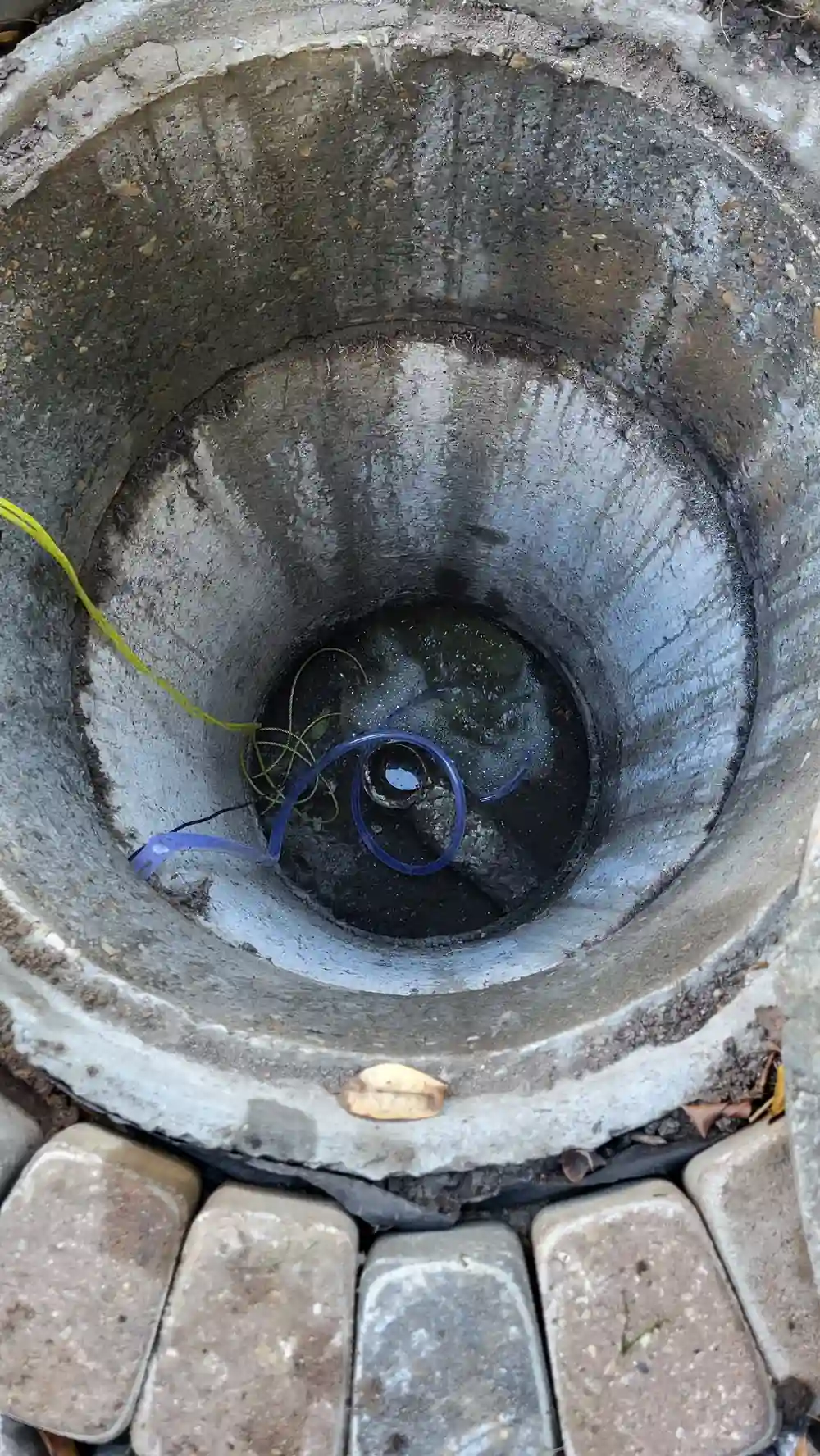
Older concrete septic tanks may show signs of structural wear, including:
- Surface flaking or spalling
- Exposed aggregate
- Rusting rebar reinforcements
- Corrosion near inlet or outlet baffles
- Baffle wall deterioration or shifting
Concrete degradation does not always mean immediate replacement is required, but it may affect long-term system integrity.
An onsite wastewater inspection can document tank condition and help determine whether maintenance or other options are appropriate.
Unsure What Type of Onsite Wastewater System You Have?
Under Alberta practice, common system types include:
- Septic tank with gravity distribution to a seepage bed or absorption trenches
- Septic tank with pressure distribution (pump-assisted dosing)
- Raised mound or at-grade soil-based treatment systems
- Treatment plant systems with secondary treatment
- Chamber-based or gravel-based soil absorption systems
Understanding your system type is essential before making decisions about maintenance, inspection, or remediation. Different system designs respond differently to hydraulic loading, soil conditions, and biological activity.
A professional septic system inspection can document system configuration and observable performance characteristics to help inform next steps.
What a Septic System Inspection May Include
Inspection reflects observable and accessible conditions at the time of review. It is not a code compliance certification and does not guarantee future performance.
WHAT THESE SIGNS DO NOT AUTOMATICALLY MEAN
Not every indicator requires system replacement or major intervention.
Many surface or performance-related symptoms can have multiple contributing factors, including temporary loading changes, weather conditions, or maintenance intervals.
In many cases, early documentation allows property owners to explore:
- Routine maintenance
- Usage adjustments
- Targeted repairs
- Biological remediation eligibility
- Monitoring strategies
Before larger interventions are necessary.
Septic system performance can vary based on:
- Household water usage and occupancy changes
- Soil composition and site drainage characteristics
- Seasonal temperature fluctuations
- Groundwater levels
- Maintenance history
- System age and configuration
An inspection reflects observable and accessible conditions at the time of review. Subsurface soil conditions and concealed components are inferred based on visible indicators and may be sampled and exposed where appropriate.
Inspection findings do not constitute code compliance certification and do not guarantee future system performance.
OUR SEPTIC SYSTEM INSPECTION PROCESS IN ALBERTA
SeptiCure™ provides professional septic system inspections and non-invasive condition assessments throughout Alberta, including:
Edmonton
Parkland County
Strathcona County
Lac Ste Anne
Central Alberta rural properties
Sturgeon County
All Other Countries Upon Request
Inspections are performed by SeptiCure™ Certified Assessors trained under our internal Onsite Wastewater Assessment Protocol.
Each inspection includes:
- Non-invasive visual review of accessible components
- Documentation of tank and field surface indicators
- Chemical and Biological Analysis
- Soil Sampling to assess hydraulic characteristics where appropriate
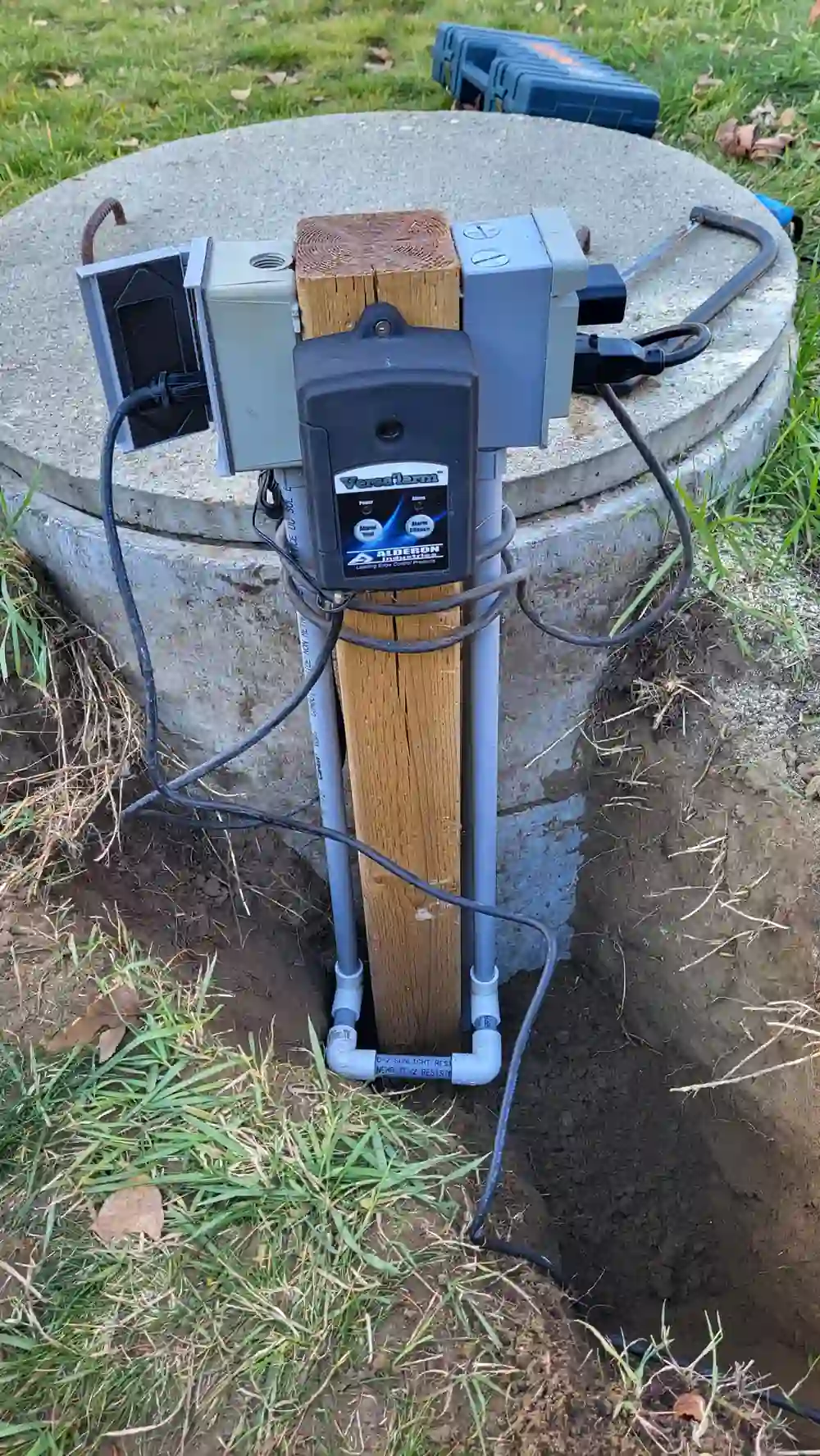
- Pump behavior review where applicable
- Written condition summary
- Determination of remediation eligibility where appropriate
This inspection is not a code compliance certification and is not intended as a substitute for a comprehensive real estate inspection.
When SeptiCure™ May Be Recommended
Where observed conditions suggest hydraulic impairment and structural integrity remains intact, a system may be considered eligible for SeptiCure™ biological remediation using our Remediation Technologies.
Eligibility is determined following inspection and is subject to structural and usage criteria.
Not all systems qualify for remediation.
Conditional program guarantees, where offered, are governed by separate written agreement.
Frequently Asked Questions
A septic inspection is a professional evaluation of the condition and performance of a property’s onsite wastewater system.
The inspection typically includes opening the septic tank, checking sludge levels, verifying inlet and outlet components, and observing wastewater flow through the system. The drain field area is also evaluated for signs of saturation, odours, or abnormal vegetation.
Our inspections go beyond a simple visual check by assessing system type, condition, and evaluating tank and soil chemistry to better understand the biological processes affecting performance. The goal is to provide homeowners and buyers with a clear understanding of the system’s condition.
Septic systems should be inspected every three to five years as part of routine maintenance.
Inspections are also recommended when purchasing a home, when experiencing slow drains or odours, or when there are signs the drain field may not be functioning properly. Regular inspections help identify small issues before they develop into major failures, just like your vehicle.
Many rural and acreage properties rely on private septic systems, and problems can be expensive to repair or replace.
Many home inspections only include a basic visual check of the septic system. A dedicated septic inspection evaluates the tank, components, and drain field to determine whether the system is functioning properly and helps buyers understand potential risks before purchasing.
Most septic inspections take between one and three hours depending on system accessibility and complexity.
Properties with buried tanks, multiple tanks, or complex systems may require additional time to properly evaluate all components.
Common issues include excessive sludge in the tank, damaged or missing baffles, failing pumps or float switches, and signs that the drain field may be saturated or restricted.
Other issues may include root intrusion, improper plumbing connections, or systems that were not installed according to optimal standards.
Sometimes. If septic tank lids or access ports are buried they may need to be uncovered.
Newer systems often include risers or inspection ports that allow inspections without digging. In some cases limited digging may be required to evaluate soil conditions or system components.
After the inspection, homeowners receive a report describing the system condition and any observations that may require attention.
The report may include recommendations for pumping, maintenance and repairs, monitoring, or further evaluation if potential issues are identified.
Inspection costs vary depending on property location, size, accessibility, and system complexity.
Basic inspections typically range from $400 to $700, while more detailed inspections involving locating components or additional diagnostics may cost more.
Early warning signs may include slow drains, sewage odours outside, soggy or wet areas above the drain field, or unusually green grass over the system.
In pump systems, long pump cycles may also indicate the soil is not absorbing water efficiently, and gravity drain systems may not be draining the intended level.
Book a Professional Septic System Inspection in Alberta
If you have noticed any of these signs, or simply want clarity on your system’s condition, scheduling a septic system inspection is a practical next step.
Contact SeptiCure™ today to schedule a professional condition assessment near you.
Clear documentation. No pressure recommendations.
Professional Standards & Industry Recognition



Interested in Becoming a SeptiCure Certified Inspector?
If you deliver onsite services and would like to explore certification, send us a note and we’ll follow up.